
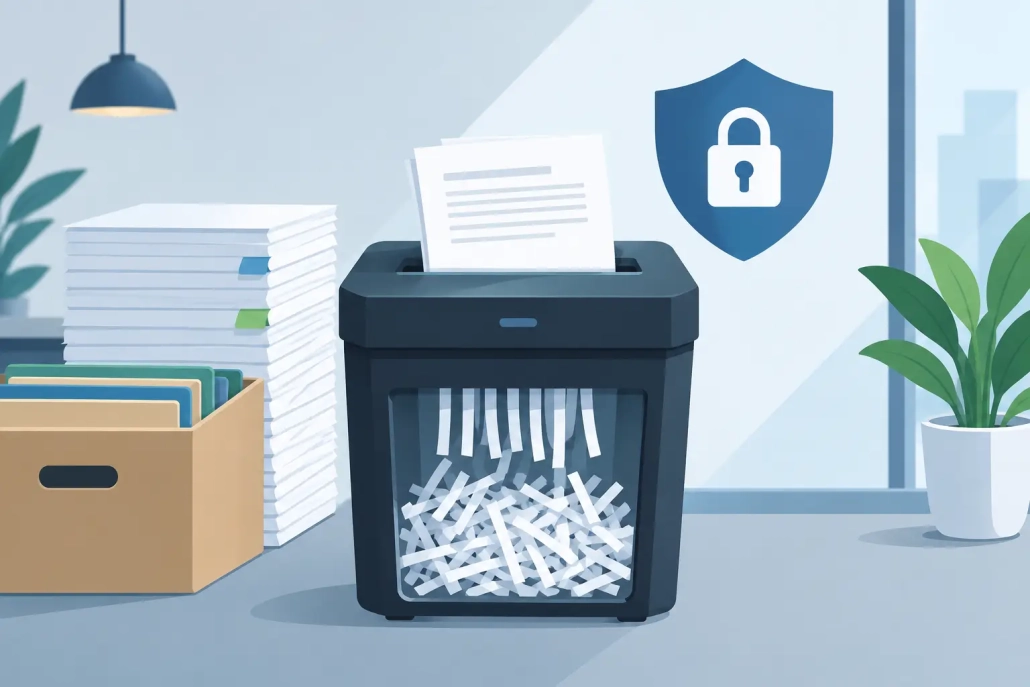
Archive Destruction Guide for Secure Records Disposal
Old archive boxes can look harmless until one is misplaced, opened by the wrong person, or thrown into general recycling. This archive destruction guide explains how Melbourne businesses can remove outdated records without creating a confidentiality gap, disrupting staff, or filling storage space with documents that no longer need to be retained.
Start With a Retention Decision
Secure destruction begins before collection day. Your business should have a clear retention schedule that identifies which records must be kept, how long they must be retained, and who can approve their disposal. Legal, financial, medical, HR, and client records may each have different retention requirements.
Do not destroy documents simply because the files are old or the storage room is full. Check internal policies and any obligations that apply to your organization first. If records are subject to a legal hold, audit, investigation, or active dispute, keep them secure until authorized personnel confirm they can be released.
Once approval is in place, separate the material marked for destruction from files that need to remain accessible. This simple step prevents accidental disposal and makes the clean-out faster.
What Should Go Into Archive Destruction?
Archive destruction is designed for boxed records and bulk confidential material that has reached the end of its retention period. Common examples include client files, employee records, invoices, tax paperwork, medical paperwork, school administration records, internal reports, contracts, tender documents, and historical correspondence.
The risk is not limited to documents containing obvious financial details. A name, address, signature, customer number, employee ID, account reference, or internal business information can be enough to create a privacy or fraud concern when handled carelessly.
Archive boxes often contain mixed contents accumulated over years. Before booking collection, identify whether boxes include folders, binder clips, plastic sleeves, lever arch files, disks, or other non-paper items. A secure destruction provider can advise how to prepare these materials and whether separate CD or media destruction is required.
Why General Recycling Is Not Enough
Paper recycling is valuable, but an office recycling bin is not a secure destruction process. Documents may be handled by multiple people, placed in unsecured collection areas, or become visible during transport. Once sensitive records leave your control without a documented process, your organization has little assurance over who accessed them or where they ended up.
Secure archive destruction keeps the focus on custody from pickup through destruction. The records are collected as confidential material, transported for secure processing, destroyed, and recycled afterward. Recycling is still part of the outcome, but it happens after the information has been rendered unreadable.
For businesses handling a few boxes, a one-off collection can be the practical choice. For departments that clear records on a regular cycle, scheduled service may reduce the chance that old files build up in hallways, cabinets, or off-site storage.
Build a Clear Chain of Custody
A reliable destruction process should answer a basic question at every stage: who had responsibility for the records? Your staff should know where boxes are stored before collection, who is authorized to release them, and how pickup is confirmed.
Keep archive boxes in a restricted area until collection. Avoid placing them in a public reception area, loading dock, or open hallway. If a clean-out takes several days, designate a locked room or controlled staging location so documents are not mixed with ordinary waste.
At pickup, use a provider that collects materials securely from your site and can handle the volume you have prepared. For smaller quantities, security bags or lockable bins may suit the job. For archive rooms, office relocations, or storage clear-outs, box-by-box or pallet-scale removal is often more efficient.
A collection record is useful for internal accountability, particularly when several departments are involved. It can include the pickup date, location, approximate number of boxes, the staff member releasing the materials, and the destruction service used. This does not need to become a complicated project. It simply gives your business a dependable record of what left the premises and when.
Prepare Archive Boxes Without Wasting Staff Time
There is no need to spend hours removing every staple or paper clip unless your provider specifically requests it. The main priority is ensuring the material is clearly identified for confidential destruction and is not mixed with items that should be retained.
Label boxes by department or disposal batch rather than writing detailed client names or sensitive descriptions on the outside. If records are especially sensitive, avoid leaving them unattended while staff sort them. Use sealed boxes where possible, and make sure they can be lifted safely.
For a large archive clean-out, estimate the number of boxes, shelves, or pallets before requesting a quote. Photos and a brief description of access conditions can help determine the right collection approach. Mention stairs, restricted parking, basement storage, loading docks, elevators, or tight access points early. Good planning protects confidentiality and prevents delays on collection day.
Choose the Right Service Format
The right archive destruction service depends on how often confidential material is generated and how much storage space is being recovered.
A one-off archive clean-out works well when a business is moving offices, closing a department, clearing a storeroom, or disposing of records after a retention review. It gives you a defined project, a clear pickup date, and a fast way to regain usable space.
Scheduled pickups suit organizations that regularly retire files. Law firms, medical practices, schools, accounting offices, and larger administrative teams often benefit from having a consistent confidential waste process rather than waiting for archives to become unmanageable.
Lockable 240-liter bins are a practical option for day-to-day confidential paper. Staff can place documents in the bin as they are no longer needed, reducing the habit of leaving sensitive paperwork on desks or beside printers. When the bin is serviced, the contents are removed for secure destruction.
On-call pickups sit between these options. They are useful when the need is occasional but urgent, such as after a records review, internal move, or unexpected storage cleanup.
Ask for Proof of Destruction
A Certificate of Destruction provides formal confirmation that confidential material has been securely destroyed. It is a practical document for records managers, office managers, compliance teams, and business owners who need evidence that disposal was completed.
Keep the certificate with your destruction logs and retention documentation. The certificate does not replace your own approval process, but it supports it by showing that the materials were handed to a secure destruction service and processed accordingly.
Before booking, ask whether the certificate is included, what details it records, and how it will be supplied. Metro Paper Destruction provides Certificates of Destruction free of charge, so businesses can retain proof without adding another administrative cost.
Do Not Forget Digital Media and Branded Items
Archive rooms frequently contain more than paper. Old CDs, DVDs, backup media, staff uniforms, branded clothing, ID-related materials, and obsolete promotional items can all carry information or create an identity risk if discarded carelessly.
These items should not be treated as an afterthought. Separate them during the archive review and arrange the appropriate destruction method. Paper shredding is not the same as CD destruction, and confidential uniforms or branded materials may need their own secure disposal process.
Make the Next Clean-Out Easier
The best time to improve archive disposal is while the problem is visible. Set a recurring records review date, assign responsibility for approvals, and give staff a secure place to put documents awaiting destruction. Small routines prevent the next archive room from becoming a costly, high-risk project.
When your boxes are approved for disposal, arrange a secure pickup, keep the records controlled until collection, and retain your Certificate of Destruction. A free quote for the right collection format can turn an overcrowded archive area into usable space without compromising confidentiality.


Leave a Reply
Want to join the discussion?Feel free to contribute!