
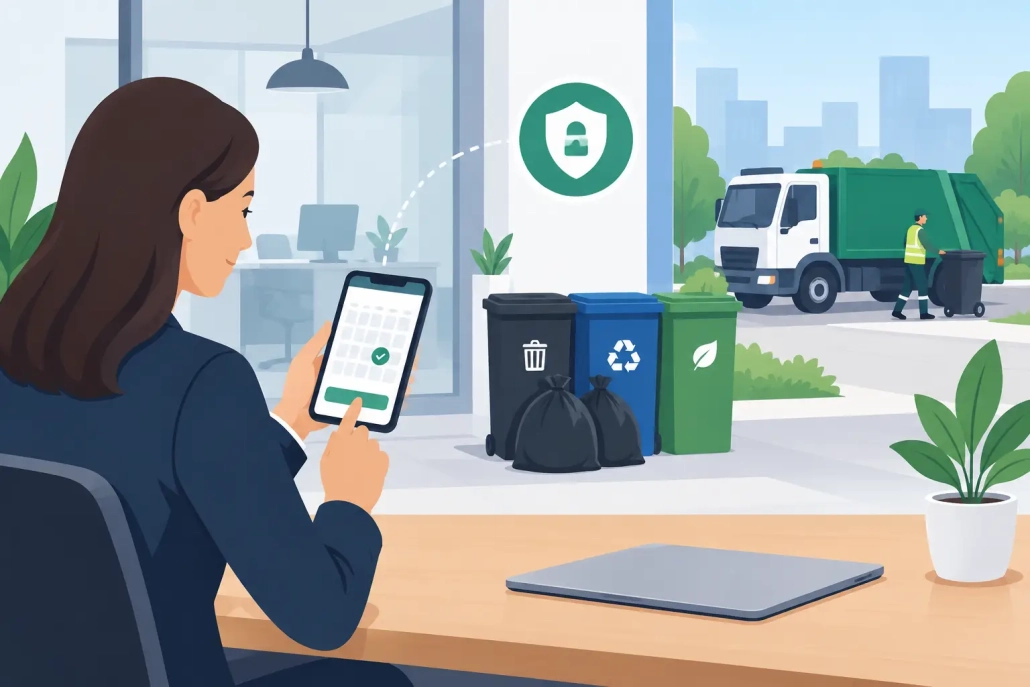
How to Schedule Secure Waste Pickup for Your Office
A locked console or overflowing archive room can become a security problem long before anyone notices. When you schedule secure waste pickup, confidential materials leave your workplace through a controlled process instead of sitting in desks, storage areas, or general recycling bins. For Melbourne businesses handling client files, employee records, financial paperwork, medical information, or internal documents, that control matters.
Secure waste collection is not just about clearing space. It is about reducing the chance that sensitive information is misplaced, viewed by unauthorized people, or discarded without proof of destruction. A reliable service gives your team a clear routine for confidential waste and removes the burden of managing it internally.
Why scheduled secure waste pickup makes sense
Businesses generate confidential paper constantly. Printed reports, customer forms, payroll records, meeting notes, invoices, outdated correspondence, and misprinted documents can all contain information that should not enter an ordinary trash or recycling stream. The same applies to obsolete CDs, branded uniforms, identification materials, and archived files that have reached the end of their retention period.
Without a regular process, these materials tend to accumulate. Staff may hold onto them because they are unsure what can be discarded, or place them in unsecured boxes while waiting for a cleanup. That creates clutter, but more importantly, it creates an avoidable security gap.
Scheduled collection replaces uncertainty with a set process. Lockable bins or security bags are placed where your team needs them. Staff deposit approved confidential waste as part of their normal workflow. A trained collection team removes the material on an agreed schedule for secure destruction and recycling. Your business receives a Certificate of Destruction as evidence that the process has been completed.
This arrangement suits offices that produce steady volumes of confidential waste. It is especially useful for legal firms, medical practices, schools, accountants, financial services businesses, property managers, government-related organizations, and companies with multiple departments handling personal or commercial information.
Choose the right secure waste pickup schedule
The right collection frequency depends on volume, available storage space, the sensitivity of the material, and how your workplace operates. There is no benefit in paying for a collection schedule that is too frequent, but waiting too long can leave bins full and confidential paper stored outside the secure system.
A small office may only need a periodic collection. A larger workplace with several departments may require regular weekly, fortnightly, or monthly service. High-volume environments can use multiple lockable 240-liter bins in different areas, then arrange collection based on actual usage.
Scheduled pickups for ongoing confidential waste
A scheduled service is the practical option when confidential paperwork is produced every week. It gives office managers and staff a predictable system without having to arrange each collection separately. Once the bin placement and frequency are agreed, the service becomes part of routine office operations.
This can also make compliance administration easier. Rather than searching for a provider every time bins fill up, your business has a documented disposal method already in place. Certificates of Destruction can be retained with internal records to support your information handling procedures.
On-call pickups for changing volumes
An on-call pickup may be better for businesses with irregular disposal needs. For example, an office may produce little confidential waste most of the year but need extra collection after a records review, relocation, staff change, or end-of-financial-year cleanup.
This option offers flexibility, although it requires someone in your business to monitor capacity and request service before secure storage becomes a problem. Many organizations use scheduled collection for daily confidential waste and on-call service when an unexpected volume of material needs to be removed.
One-off cleanouts for archive rooms and projects
A one-off cleanout is designed for accumulated materials rather than day-to-day disposal. Archive boxes, old files, pallets of records, outdated media, and obsolete uniforms can take up substantial space and are rarely suitable for a standard bin collection alone.
For these projects, the provider should assess the quantity and access conditions before collection. Factors such as stairs, loading docks, parking access, boxed records, palletized archives, and required removal time can affect the most efficient collection method. A clear quote beforehand avoids surprises and helps your business plan the work around normal operations.
What a secure collection process should include
Not all waste collection is confidential destruction. A secure service should show exactly how your materials are handled from the point of collection through final destruction. The key issue is chain of custody: knowing that confidential waste stays controlled and is not simply removed as ordinary recycling.
A practical secure process starts with approved containers. Lockable 240-liter bins are useful for offices that generate regular paper waste because they keep material contained until collection. Security bags can work well for smaller volumes, remote teams, or departments that need a controlled handover option.
At collection, the material should be removed securely by a professional team and transported for destruction. After destruction, the paper can be recycled responsibly. Recycling is valuable, but it comes after secure destruction, not instead of it.
Ask whether a Certificate of Destruction is provided for each completed service or project. This document gives your business a record that the materials were handled for destruction. Metro Paper Destruction provides Certificates of Destruction free of charge, which means businesses can maintain disposal records without adding another administrative cost.
Materials that belong in secure waste collection
Paper is the most common item, but secure waste often includes more than documents. A provider should be able to advise on the right collection method for each material type rather than treating every item as standard office recycling.
Confidential materials commonly include:
- Client, patient, student, employee, and supplier records
- Financial reports, invoices, tax paperwork, and payroll documents
- Legal files, contracts, case notes, and internal business plans
- Archive boxes and pallet-scale stored records
- CDs, disks, branded uniforms, identification items, and obsolete media
Uniform destruction deserves particular attention. Company-branded clothing, security uniforms, name badges, and garments with logos can create reputational or security concerns if they are discarded intact. Secure destruction prevents those items from being reused or misrepresented as authorized business property.
Before placing anything into a confidential waste bin, confirm that the material is approved for the service. Items such as electronics, batteries, food waste, liquids, binders, and large non-paper objects may require a different disposal method. Clear staff instructions reduce contamination and help collections run without delays.
Prepare your workplace before the first pickup
A good service begins with a quick review of how confidential material moves through your office. Look at where documents are printed, handled, stored, and discarded. The best place for a secure bin is usually close enough to be convenient, but not in a public or uncontrolled area.
Set simple rules for staff. Confidential paper should go directly into the locked bin, not onto a desk pile or into regular recycling. Archive boxes marked for destruction should be kept in a designated secure area until collection. If only specific team members can approve records for destruction, make that responsibility clear before a cleanout begins.
It also helps to nominate one contact person for the service. That person can authorize collections, monitor capacity, retain Certificates of Destruction, and arrange additional pickups when needed. For larger sites, each department may have a local contact while one office or operations manager oversees the overall program.
Questions to ask before you schedule secure waste pickup
Price matters, but the cheapest quote is only useful if the service protects your information and fits your operations. Ask how materials are secured before and during collection, whether lockable bins or security bags are available, and what proof of destruction your business will receive.
You should also confirm collection flexibility. Can the provider handle a recurring office service as well as an archive-room cleanout? Can they collect boxes, pallets, media, or uniforms? Are pickups available across your Melbourne location? A provider that can handle both routine collections and larger projects saves time when your needs change.
Finally, request a clear quote based on your actual volumes and collection requirements. The right provider should explain what is included, recommend a practical collection frequency, and give you confidence that confidential material will be removed without disrupting your workplace.
A secure waste system works best when it is easy for staff to use and difficult for confidential material to bypass. Put the right containers in place, set a realistic pickup schedule, and keep destruction records on file. That gives your business a cleaner workplace and a more controlled way to protect the information entrusted to it.


Leave a Reply
Want to join the discussion?Feel free to contribute!